The Enduring Allure of Cocktail Rye Bread: Crafting the Perfect Appetizer Base
The subject of cocktail rye bread is much deeper than its small, often pre-sliced form suggests. It represents a confluence of historical necessity, artisanal baking technique, and the refined demands of modern gastronomy. This dense, dark, and often tangy bread is not merely a vehicle for toppings, but a foundational ingredient that lends its own complex character to any appetizer. Unlike bland crackers or neutral white bread, the inherent flavor profile of cocktail rye bread—marked by earthy notes of rye grain, a slight sourness from fermentation, and the warm spice of caraway or fennel—makes it a truly functional component of a gourmet bite. To fully appreciate its role, we must delve into the specific varietals of rye, the intricate baking processes that lend it its sturdy structure, and the reasons why it remains the gold standard for formal and informal entertaining alike.
The widespread adoption and enduring popularity of cocktail rye bread in appetizer culture across Europe and North America speaks volumes about its effectiveness. Its signature tight crumb and resilient structure are critical features, preventing the unfortunate sogginess often encountered when using softer breads with moist toppings like smoked salmon, cream cheese, or delicate chutneys. This structural integrity, combined with its ability to cut through the richness of dairy and fat, cements its status as an indispensable element in crafting the perfect canapé. The consistent pursuit of a superior loaf, whether baked in-house or sourced from an artisan producer, underscores the culinary importance of cocktail rye bread as a key to sophisticated presentation and balanced flavor. The continued presence of this distinctively flavored bread on contemporary menus highlights a timeless appreciation for quality, foundational ingredients.
The Chemical Complexity of Rye: Why It Needs the Sour
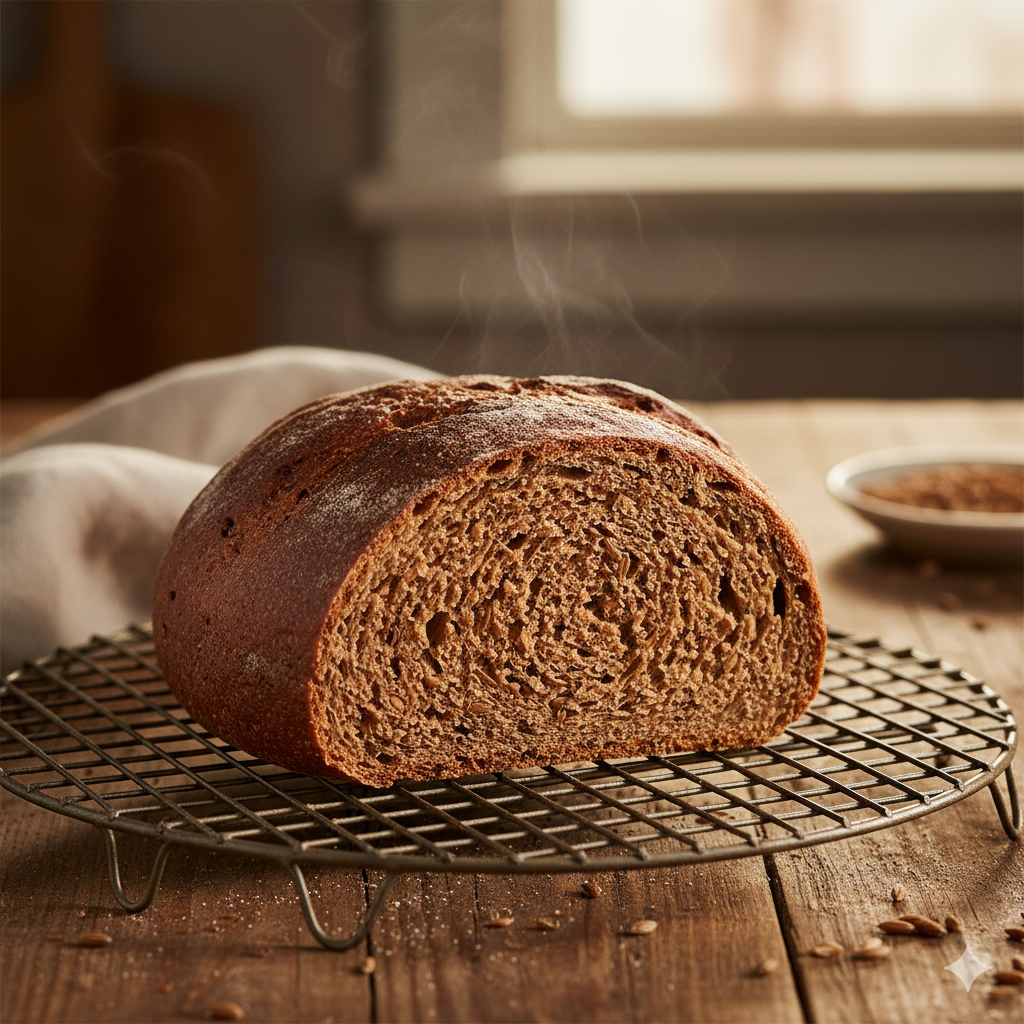
To understand why cocktail rye bread behaves so differently from its wheat counterparts, one must look at the biochemical properties of rye flour. Unlike wheat, which forms a strong, elastic gluten network, rye flour is notably deficient in the gluten-forming proteins gliadin and glutenin. Instead, rye is rich in unique non-starch polysaccharides called pentosans. These pentosans are highly hydrophilic, meaning they absorb large amounts of water and form a sticky, viscous gel that provides structure to the dough, compensating for the lack of gluten.
However, the rye kernel also contains high levels of amylase, an enzyme that aggressively breaks down starch. If this amylase is not neutralized during the dough mixing process, it will degrade the starch structure, leading to a dough that collapses during baking and a final product that is heavy, dense, and unpleasantly gummy. This is where the magic of fermentation comes in. Traditional recipes for cocktail rye bread, particularly those aiming for deep flavor and excellent texture, rely heavily on a rye sourdough starter (often called a rye sour). The lactic acid and acetic acid produced by the wild bacteria in the starter lower the pH of the dough significantly. This acidic environment inhibits the activity of the amylase enzymes, thereby stabilizing the starch and pentosans.
The result is a structurally sound bread with a moist, resilient crumb that holds up perfectly when sliced thinly for a cocktail setting. This reliance on the souring process is what imbues cocktail rye bread with its essential tangy flavor, contrasting beautifully with the richness of typical toppings. Without this careful chemical management—a cornerstone of rye bread baking—the product would simply lack the characteristic integrity and taste that make it so ideal for canapés.
Exploring the Spectrum of Rye Varietals for Cocktail Bread
The umbrella term cocktail rye bread encompasses a variety of styles, each with distinct characteristics determined by the ratio of rye flour to wheat flour and the inclusion of specific flavorings. A baker can achieve a range of flavors and textures, from the mild and slightly elastic to the intensely dark and dense.
The lightest version, often called Deli Rye, typically incorporates a substantial amount of wheat flour (sometimes up to 50% or more), which gives it a softer crumb and a higher rise. This type is generally easier to slice and has a milder flavor, making it a transitional bread familiar to those new to rye. While not the most traditional, this lighter cocktail rye bread is often used when a subtle flavor profile is desired.
On the opposite end of the spectrum is Pumpernickel, a German specialty and perhaps the densest form of cocktail rye bread. Pumpernickel often contains 100% rye flour, with a significant portion being whole rye berries or coarsely ground meal. Its deep, dark color is achieved not only through high rye content and low, slow baking but also through the addition of dark molasses, coffee, or cocoa. The baking time for pumpernickel can extend over 16 to 24 hours at very low temperatures, allowing the natural sugars in the rye to caramelize and creating a profoundly complex, slightly sweet, and earthy flavor that requires a sturdy, full-flavored topping.
A middle ground is often occupied by Russian or Polish Rye, which uses a high percentage of rye (60-80%) and relies heavily on the souring process and the use of aromatic spices like caraway, coriander, and fennel. This balance of sour, spice, and density is often considered the perfect benchmark for a versatile cocktail rye bread, offering the right structural support and a bold flavor that complements both sharp cheeses and smoky meats. Recognizing these distinct varietals allows one to select or bake the perfect base for any specific appetizer theme.
Artisan Techniques for Optimal Cocktail Rye Bread Texture
Achieving the perfect texture in cocktail rye bread—firm, moist, and free of gumminess—requires specific artisan baking techniques that go beyond simple mixing and proofing. These methods ensure that the unique properties of rye flour are harnessed effectively.
One crucial technique is the use of the sponge or pre-ferment. Instead of mixing all ingredients at once, bakers often create a highly active rye sour or a pâte fermentée several hours or even a day ahead of time. This pre-ferment is the engine that drives the sour flavor and is critical for controlling the dough’s pH before the final mix, preemptively neutralizing the amylase. This thoughtful, multi-stage approach ensures deep flavor development and structural integrity in the finished loaf of cocktail rye bread.
Another key step is minimal kneading. Because rye lacks strong gluten, excessive kneading can actually damage the fragile pentosan structure, leading to a sticky, unmanageable dough. Rye doughs are often mixed gently, sometimes just enough to combine ingredients, before being left to rest. The structure is built primarily through the hydration and swelling of the pentosans over time, a process known as autolyse or bulk fermentation.
Finally, the baking environment is critical. Rye breads benefit from a slow, controlled bake, often with steam injected into the oven. Steam allows the crust to remain pliable longer, facilitating a higher rise and creating a beautiful, glossy exterior. After baking, a critical step often overlooked is the extended cooling period. Rye bread, including cocktail rye bread, continues to set its internal structure for several hours after it is removed from the oven. Slicing too early can compromise the crumb and lead to a sticky texture. Proper cooling time ensures that the final bread is sturdy, flavorful, and ready to be sliced for elegant presentation.
Elevating Entertaining: Strategic Pairings and Presentation
The true utility of cocktail rye bread is fully realized in the context of sophisticated entertaining. The bread acts as an edible serving dish, demanding intentionality in the pairing and presentation. The bold flavor of the rye requires equally bold counterparts, creating a dynamic contrast that tantalizes the palate in a single bite.
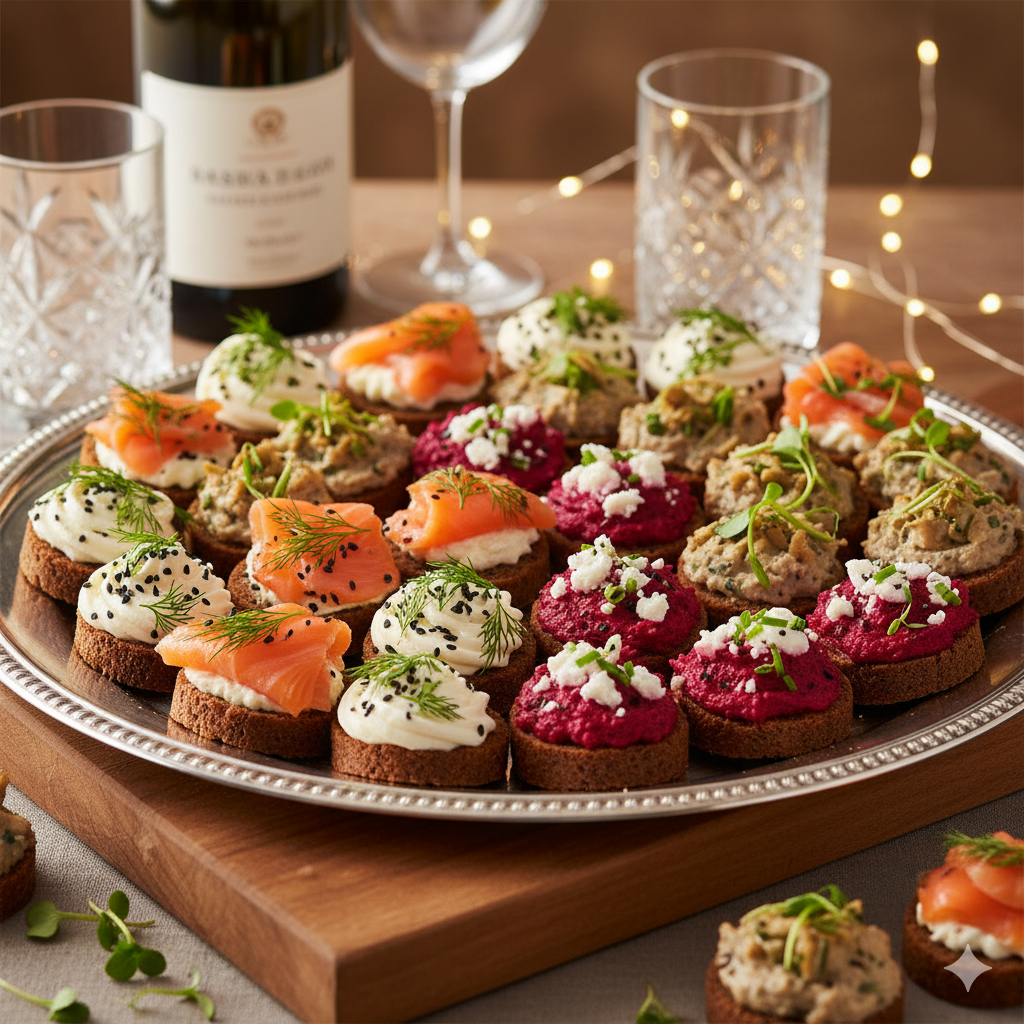
For classic pairings, the natural salinity and richness of cured products find their ideal foil in the rye’s acidity. Think thin slices of Prosciutto or Capocollo complemented by a sweet and sour condiment, like cornichons or a plum chutney. The richness of a smooth duck or chicken liver pâté, often too heavy for a neutral cracker, is expertly balanced by the dense, tangy chew of the cocktail rye bread. The bread’s sturdiness also allows for the inclusion of textural components, such as toasted nuts, microgreens, or thinly shaved vegetables, without the risk of structural collapse.
Beyond the classics, modern pairings emphasize vegetarian and vegan options. A smoky baba ghanoush, a beet-cashew spread, or a caramelized onion and thyme jam are all enhanced by the earthy foundation of cocktail rye bread. The visual appeal is paramount in the cocktail setting; topping the small, dark slices with bright, contrasting colors—like fresh basil leaves, sun-dried tomato halves, or vibrant pink radish slices—elevates the aesthetic from a simple snack to a deliberate culinary creation. The dark background of the rye provides a perfect contrast that makes the colors of the toppings truly pop.
Nutritional Merits and Consumer Appeal of Cocktail Rye Bread
Beyond its flavor and functional benefits in entertaining, cocktail rye bread holds significant nutritional value that appeals to the health-conscious consumer. Because authentic rye bread is made with a high proportion of whole or coarse rye flour, it is an excellent source of dietary fiber, often higher than standard whole wheat bread. This high fiber content contributes to the bread’s low glycemic index, meaning it releases glucose into the bloodstream more slowly.
Furthermore, rye grain is a rich source of various B vitamins and essential minerals, including magnesium, iron, and manganese. The fermentation process used in creating the rye sour also enhances the bioavailability of these nutrients by breaking down phytic acid, making the bread not only easier to digest but also more nutritionally beneficial. This combination of structural integrity, complex flavor, and nutritional density gives cocktail rye bread a significant edge in the marketplace.
As consumers increasingly seek out foods that offer both indulgence and wellness benefits, the positioning of cocktail rye bread as a flavorful, whole-grain, fiber-rich base becomes a powerful marketing tool. Its inherent nobility—derived from a slow, traditional preparation process—aligns perfectly with modern desires for artisanal, mindful consumption. This focus on both flavor complexity and health ensures that the demand for high-quality cocktail rye bread will continue to grow across all consumer segments.
The Enduring Legacy of Cocktail Rye Bread in Culinary Culture
From its humble origins as a sustaining staple in Northern Europe to its present role as the consummate base for gourmet appetizers, the legacy of cocktail rye bread is one of resilience and sophisticated adaptation. It is a bread that demands respect for its history and skill in its creation, offering a complexity of flavor that enriches the overall dining experience. Its ability to provide structural support, a tangy counterpoint to rich ingredients, and significant nutritional value ensures its continued prominence in both the home kitchen and the professional culinary scene. The deliberate choice to feature cocktail rye bread on any menu is a statement of quality, tradition, and an understanding of foundational flavor dynamics.
CUSTOM FAQ SECTION
What ingredients give cocktail rye bread its dark color The deep, dark color of many cocktail rye bread varieties is achieved through several factors: the use of high-extraction or whole rye flour, the Maillard reaction (browning) occurring over a long, slow baking process, and most commonly, the deliberate addition of coloring and flavoring agents. These agents include dark ingredients like unsweetened cocoa powder, instant coffee, or molasses, which also contribute to the bread’s earthy and slightly bittersweet flavor profile.
Is cocktail rye bread gluten-free No, cocktail rye bread is not gluten-free. Rye grain contains gluten, specifically the gluten protein secalin. While rye contains less of the key gluten-forming proteins (gliadin and glutenin) compared to wheat, it still contains enough gluten to be unsuitable for individuals with celiac disease or severe gluten sensitivity. The unique structure of cocktail rye bread comes primarily from pentosans, not the typical wheat gluten network.
What is the best way to slice cocktail rye bread for canapés The best way to slice cocktail rye bread for canapés is to use a sharp, serrated knife and cut the loaf into thin, uniform slices, usually about a quarter-inch thick. If the loaf is large, it should then be cut into small squares, rectangles, or circles using a cookie cutter for a more elegant, uniform presentation. For the sturdiest slices, ensure the cocktail rye bread has fully cooled for at least 6-8 hours after baking before slicing.
How should I store cocktail rye bread to keep it fresh for entertaining To maintain the ideal firm yet moist texture of cocktail rye bread, store the whole or sliced loaf at cool room temperature in an airtight container or tightly wrapped in a paper bag inside a plastic bag. Avoid refrigerating the bread, as the cool temperatures cause the starch to crystallize rapidly, leading to quick staling. Freezing is an excellent option for long-term storage, provided the bread is well-wrapped to prevent freezer burn.
Why is caraway seed a common addition to cocktail rye bread Caraway seeds are a common and traditional addition to cocktail rye bread because their unique, sharp, and slightly anise-like flavor provides a necessary aromatic contrast. The strong, earthy, and sour notes of the fermented rye can be overpowering on their own; the pungent caraway seed cuts through the richness and adds a bright lift that makes the bread more palatable and enhances its pairing capability with rich toppings.