
What Is Burrata Cheese, Exactly?
Burrata is like mozzarella’s more indulgent cousin. At first glance, it looks like a smooth, white ball of mozzarella, but cut it open, and you’ll find its secret: a soft, creamy filling called stracciatella. This mix of shredded mozzarella curds and fresh cream is what makes burrata so special. The outer shell is stretchy and mild, while the inside is rich, velvety, and just a little tangy. It’s like biting into a cloud of dairy perfection.
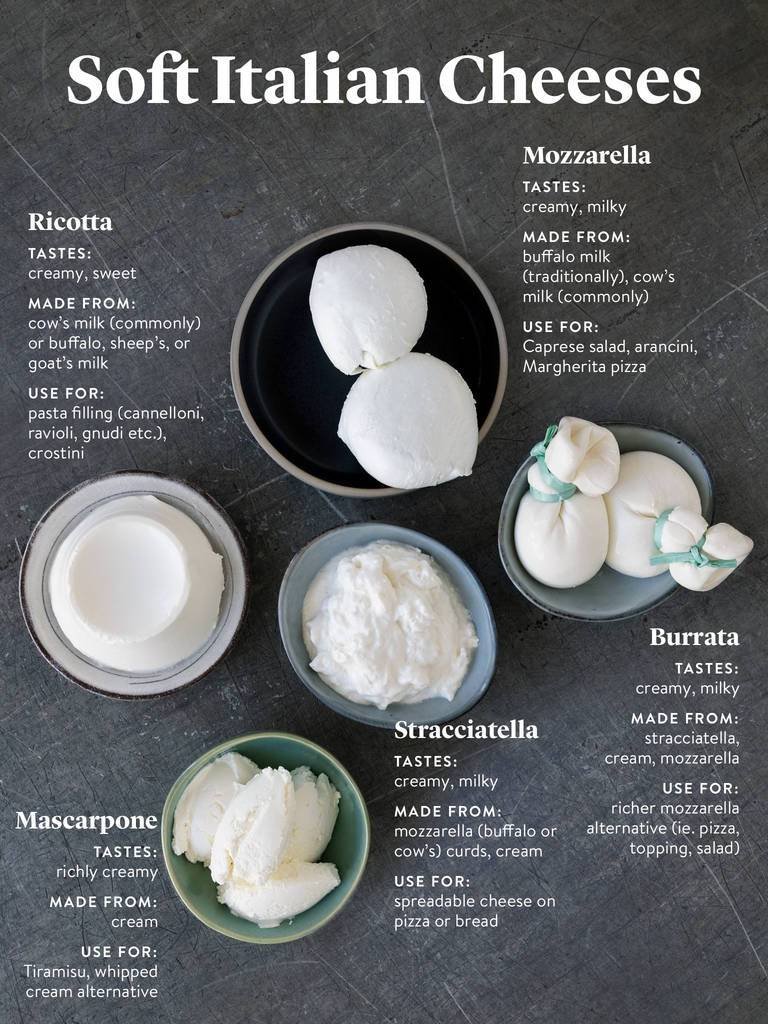 The name “burrata” comes from the Italian word burro, meaning butter, and it’s easy to see why. Its flavor is smooth and milky with a hint of sweetness, and the texture is pure luxury—soft, spreadable, and melt-in-your-mouth good. Served fresh at room temperature, burrata turns simple dishes like salads, toast, or even a slice of crusty bread into something unforgettable. One of the most popular ways to enjoy it is in a burrata salad, where the creamy cheese pairs beautifully with ripe tomatoes, fresh basil, olive oil, and a drizzle of balsamic. It’s not just cheese; it’s an experience that makes you rethink what cheese can be.
The Story Behind Burrata
A Taste of Puglia
Burrata was born in the early 1900s in Puglia, a region in southern Italy where olive trees sway under the Mediterranean sun and food is a way of life. Back then, cheesemakers faced a problem: what to do with leftover mozzarella curds and cream?
Their solution was genius—stuff those curds and cream into a pouch of stretched mozzarella, creating a cheese that was both practical and divine. What started as a way to avoid waste became a regional treasure, handmade with care and meant to be eaten fresh, often within a day.
“In Puglia, burrata was crafted with fresh cow’s milk, shaped by skilled hands while the cheese was still warm. This hands-on process gave it a delicate texture that didn’t travel well, so for years, it stayed a local secret.”
Today, burrata has gone global, but the best versions still come from Puglia, where artisans honor its traditions. Some even carry a protected status, ensuring that authentic burrata stays true to its roots. When you taste it, you’re tasting a piece of Italy’s heart and history.
What’s Burrata Made Of?
Burrata’s magic comes from just a handful of ingredients: fresh cow’s milk, mozzarella curds, and cream. That’s it. But the way these come together is what makes it extraordinary.
It starts with cow’s milk, which is heated and curdled with rennet to form mozzarella. This mozzarella is stretched into a thin, elastic shell that acts like a pouch. Inside goes the stracciatella—a dreamy blend of torn mozzarella curds soaked in rich, fresh cream. The shell gives burrata structure; the filling gives it soul. The result is a cheese that’s firm yet tender on the outside and irresistibly soft within. No additives, no fuss—just pure, fresh dairy crafted with care.
How Burrata Is Made
A Labor of Love
Milk to Curds
Fresh cow’s milk is warmed and mixed with rennet to form curds. These curds are the foundation of mozzarella.
Stretching the Shell
The curds are cut, heated in hot water, and stretched into a smooth, pliable sheet. This becomes the mozzarella shell, shaped into a small pouch while still warm.
Crafting Stracciatella
Leftover curds are torn into thin strips and soaked in cold, fresh cream. This creates the creamy, stringy filling known as stracciatella.
Filling the Pouch
The stracciatella is carefully spooned into the mozzarella pouch. The edges are pinched shut to seal in the creamy goodness.
Finishing Touches
The burrata is cooled and stored in lightly salted water to keep it fresh and moist.
The whole process is delicate—too much heat, and the shell toughens; too slow, and the texture suffers. Done right, burrata is a perfect balance of structure and softness, ready to be enjoyed within a day or two for peak flavor.
Burrata vs. Mozzarella: What’s the Difference?
Burrata vs mozzarella look similar—both are white, round, and made from cow’s milk—but they’re worlds apart in texture and vibe. Mozzarella is firm and springy, with a mild flavor that stretches beautifully when melted. It’s your go-to for pizza or a classic Caprese salad.
Burrata, though, is a showstopper. Its outer shell is mozzarella, sure, but inside lies that creamy stracciatella, ready to ooze out when you cut it. This makes burrata softer, richer, and more indulgent. It’s best served fresh, not cooked, so the creamy center can shine. Think of mozzarella as reliable and versatile; burrata is the luxurious treat you save for special moments.
What Does Burrata Taste Like?
Burrata tastes like a love letter to dairy. The outer mozzarella shell is soft and mildly sweet, with a clean, milky flavor. But the real star is the stracciatella inside—creamy, buttery, and just a touch tangy.
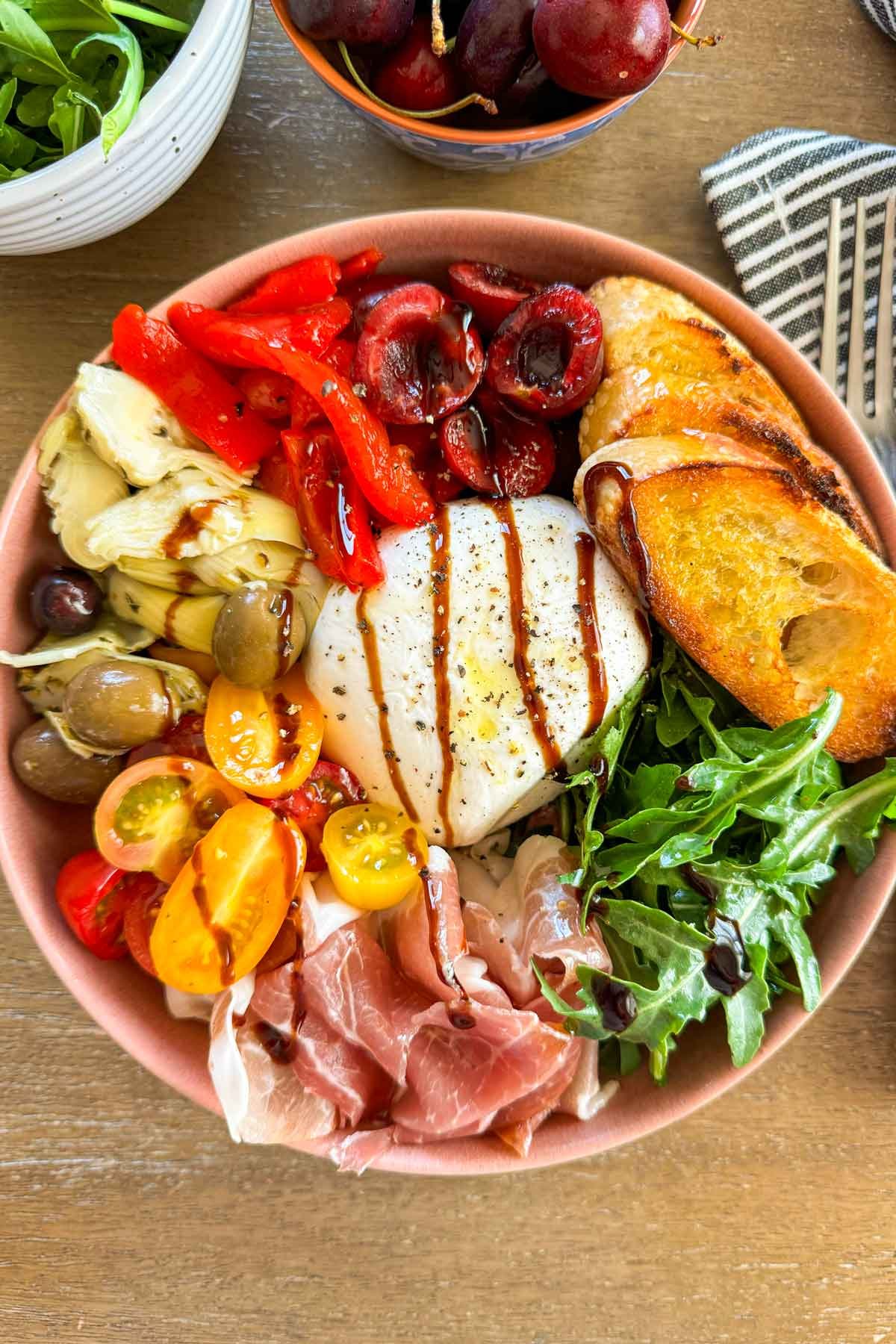
Imagine the freshest milk you’ve ever tasted, blended with sweet cream and a whisper of tang. That’s burrata. It pairs like a dream with bold flavors—think ripe tomatoes, fragrant basil, or a drizzle of olive oil.
Perfect Pairings
- • Ripe tomatoes & fresh basil
- • Crusty bread & olive oil
- • Grilled peaches & prosciutto
- • Balsamic glaze & arugula
Is Burrata Good for You?
Burrata is as nourishing as it is delicious, but like all rich foods, it’s best enjoyed in moderation. A 100-gram serving packs roughly 250–300 calories, with about 12 grams of protein, plus calcium and vitamin A.
Nutrition Highlights (per 100g):
- Calories:250-300
- Protein:12g
- Fat:20g
- Calcium:15% DV
Dietary Considerations
Contains lactose (more than aged cheeses). May not suit those with severe intolerance.
Traditional versions use animal rennet. Look for microbial rennet if vegetarian.
How to Serve Burrata
Burrata’s creamy texture shines in simple dishes. Serve fresh at room temperature to preserve its delicate center.
Classic Salad
Pair with cherry tomatoes, fresh basil, olive oil, and balsamic glaze. Add arugula or grilled peaches for variation.
Gourmet Toast
Spread on toasted sourdough with sea salt, roasted tomatoes, pesto, or honey for sweet-savory contrast.
Artisan Sandwich
Layer with prosciutto, roasted veggies, or sun-dried tomatoes on ciabatta for a luxurious lunch.
Pizza Finisher
Tear over baked pizza for creamy pockets. The warm crust softens it without losing texture.
“The key? Let burrata’s creamy center shine. Pair with fresh, bold ingredients, and keep preparations simple.”
Cooking with Burrata: Keep the Magic Intact
Burrata isn’t meant for high heat—cooking it fully will turn that creamy center into a runny mess. Instead, use it to finish dishes, letting the warmth of other ingredients gently soften it.
Burrata Pasta
Toss hot spaghetti with olive oil, garlic, and cherry tomatoes, then place a burrata ball on top. The heat from the pasta will melt the cheese just enough.
Pizza Perfection
Add burrata to a baked pizza right out of the oven. It’ll soften into the toppings without losing its texture.
Soup Finisher
Drop a small burrata ball into a bowl of creamy tomato or roasted pepper soup. It adds richness without overpowering.
The rule: Add burrata at the end, not during cooking. That way, you keep its creamy magic intact.
Beginner-Friendly Burrata Recipe Ideas
Ready to get creative? These easy ideas let burrata’s rich texture shine while keeping preparation simple.
Burrata Crostini
Toast baguette slices, spread with burrata, and top with roasted cherry tomatoes, basil, or balsamic glaze.
Summer Salad
Combine with arugula, sliced peaches, red onion, and citrus vinaigrette for a fresh, colorful dish.
Pesto Pasta
Toss hot penne with pesto, then top with burrata for a creamy, herby finish.
Grilled Veggie Sandwich
Layer with grilled zucchini, eggplant, and sun-dried tomato spread on crusty bread.
Fruit and Cheese Board
Pair with figs, grapes, and walnuts for a stunning appetizer spread.
How to Store Burrata Properly
Keep refrigerated in its original liquid (or lightly salted water) to stay moist
Consume within 24-48 hours after opening for best quality
Let sit at room temperature for 30 minutes before serving
Where to Find Burrata
Major grocery stores (Whole Foods, Trader Joe’s, Publix) near fresh mozzarella
Italian delis and farmers’ markets for artisanal versions
Online retailers (Amazon, Murray’s Cheese, iGourmet) with overnight shipping
Burrata Substitutes
No burrata? No problem. Try these alternatives when you’re in a pinch:
Ricotta + Mozzarella
Mix fresh mozzarella with creamy ricotta for a similar soft, rich texture.
Cream Cheese
Lighten it with a splash of milk for a spreadable, tangy substitute.
Cottage Cheese
Small-curd cottage cheese offers a lighter, milder option.
Vegan Burrata
Look for cashew- or almond-based versions at natural food stores for a plant-based twist.
These won’t replicate burrata’s exact magic, but they’ll get you close in a pinch.
Can Everyone Enjoy Burrata?
Burrata is a crowd-pleaser, but here’s what different groups should know:
Babies
Pasteurized burrata (common in the U.S.) is safe for babies over 12 months, but check with a doctor first due to its high fat content.
Lactose Intolerance
The fresh cream means burrata has more lactose than aged cheeses. Small amounts might be okay for mild intolerance, but proceed with caution.
Vegetarian Diets
Traditional burrata uses animal rennet, but vegetarian versions with microbial rennet are available—read the label carefully.
Always check for pasteurization if serving to kids, pregnant women, or anyone with dietary concerns.
Burrata Ball vs. Burratina
Burrata Ball
The classic 4-8 ounce size
Perfect for sharing in salads or as an appetizer centerpiece
Burratina
Smaller, single-serving size
Ideal for individual plates or cheese boards
Both deliver the same rich, creamy flavor—choose based on your portion needs!
Burrata FAQs
What is burrata cheese made of?
How is burrata different from mozzarella?
What does burrata taste like?
Is burrata vegetarian?
How long does burrata last?
Can you cook with burrata?
Is burrata pasteurized in the U.S.?
Where can I buy burrata cheese?
What’s a good substitute for burrata?
Does burrata have lactose?
Why Burrata Is a True Italian Gem
Burrata isn’t just cheese—it’s a moment of joy on a plate. From its handcrafted roots in Puglia to its creamy, dreamy texture, it turns everyday meals into something special.
”Versatile
From toast to pasta to salads
Artisanal
Handcrafted with care
Indulgent
Creamy, dreamy texture
Whether you’re spreading it on toast, tossing it with pasta, or pairing it with summer tomatoes, burrata brings a touch of Italian craftsmanship to every bite. Keep it fresh, serve it with love, and let its creamy heart steal the show.