
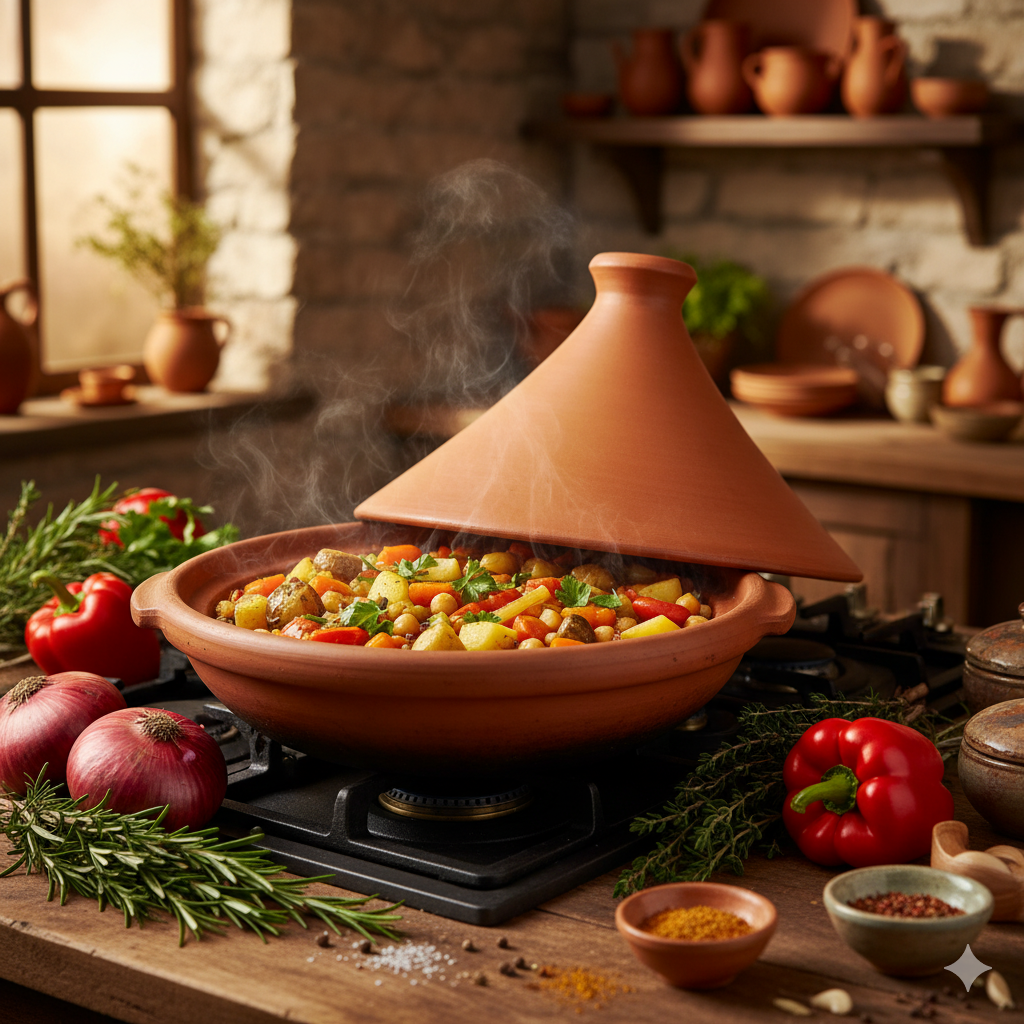
Terracotta Cooking Pots: Timeless Craftsmanship and Modern Kitchen Charm
Terracotta cooking pots have been used for centuries, blending natural materials with traditional craftsmanship to create cookware that’s both beautiful and functional. In a world filled with stainless steel and non-stick pans, terracotta cooking pots stand out as a timeless choice for those who appreciate earthy aesthetics, healthy cooking, and authentic flavor. Whether you’re simmering stews, baking bread, or slow-cooking curries, these pots bring out a rustic depth that few other materials can match. Let’s explore why terracotta cooking pots continue to capture hearts and kitchens across generations.
The Origins and Legacy of Terracotta Cooking Pots
Terracotta, meaning “baked earth” in Italian, has been used since ancient civilizations like the Greeks, Romans, and Indus Valley cultures. These early communities discovered that clay, when fired at the right temperature, became a durable yet porous vessel perfect for cooking and storage. Terracotta cooking pots became staples not just for their availability but for their unique ability to infuse food with a distinct, earthy taste.
Today, artisans across India, Italy, Mexico, and Morocco still produce terracotta cooking pots using traditional hand-molding techniques. Each piece, slightly different from another, carries the legacy of centuries-old traditions, making it not just cookware but a cultural artifact.
Why Terracotta Cooking Pots Are Still Relevant Today
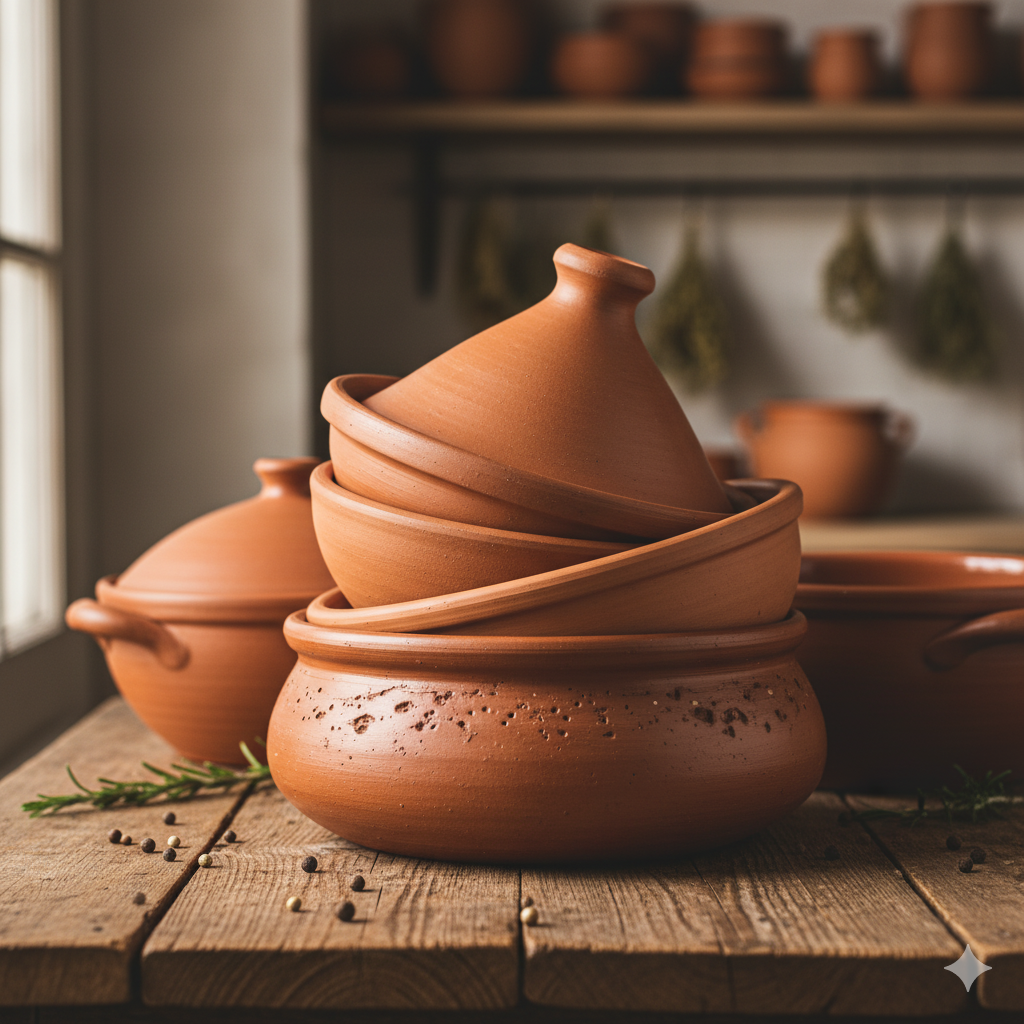
Despite the rise of modern cookware materials, terracotta cooking pots remain beloved for several reasons:
- Natural and Non-toxic: Made from 100% natural clay, these pots contain no harmful chemicals, coatings, or metals. This makes them one of the healthiest options for home cooking.
- Even Heat Distribution: The porous nature of terracotta allows slow and even heat distribution, helping food cook uniformly without burning.
- Moisture Retention: Terracotta’s natural absorbency helps trap steam inside the pot, keeping dishes moist, tender, and flavorful.
- Aesthetic Appeal: Their warm, rustic tones add a touch of artisanal charm to both modern and traditional kitchens.
Terracotta cooking pots align perfectly with the modern shift toward sustainable, toxin-free, and eco-friendly kitchenware.
How Terracotta Cooking Pots Enhance Flavor
Cooking with terracotta pots is not just a method—it’s an experience. Because clay is porous, it absorbs a small amount of water during cooking. As the pot heats up, this moisture slowly evaporates, circulating within the pot and keeping food from drying out. This self-basting effect is especially beneficial for dishes like biryanis, stews, soups, and roasted vegetables.
Moreover, terracotta cooking pots gently enhance flavors without overpowering them. The earthy aroma that seeps into food gives it a comforting, home-cooked character that metal or glass cookware cannot replicate. Many chefs even believe that the more you use your terracotta pot, the better it becomes, as the porous walls gradually season with use.
Types of Terracotta Cooking Pots and Their Uses
There’s a wide variety of terracotta cookware, each designed for specific dishes and cooking techniques:
1. Terracotta Casserole Pots
Ideal for slow-cooked stews, beans, and casseroles. These deep pots retain heat beautifully, making them perfect for oven or stovetop use.
2. Terracotta Tagines
Originating from Morocco, tagines have conical lids that allow condensation to drip back into the dish, resulting in tender, aromatic meals.
3. Terracotta Baking Dishes
Excellent for breads, pies, and lasagnas. The even heat distribution helps achieve golden crusts and perfectly baked interiors.
4. Terracotta Handis and Kadai
Popular in Indian kitchens, these round-bottom pots are perfect for curries, dals, and slow-simmered gravies.
5. Terracotta Griddles and Tava
Used for flatbreads like rotis and tortillas, these pans heat evenly and produce soft, flavorful breads with slight char marks.
Each variety of terracotta cooking pot contributes something unique to the culinary experience, merging tradition with versatility.
Caring for Your Terracotta Cooking Pots
Proper maintenance ensures that your terracotta cooking pots last for years. Since they are porous and delicate compared to metal cookware, a few care steps are essential:
- Soak Before Use: Before the first use, soak the pot in water for 30 minutes to fill its pores. This prevents cracking and improves cooking performance.
- Avoid Sudden Temperature Changes: Terracotta pots can crack if exposed to abrupt heat changes. Always start with low heat and increase gradually.
- Use Wooden or Silicone Utensils: Metal utensils can scratch the surface of the pot.
- Clean Naturally: Use warm water and a soft brush; avoid soap as it can get absorbed into the clay.
- Air Dry Thoroughly: Ensure the pot is completely dry before storing to prevent mold growth.
With the right care, terracotta cooking pots can serve you for decades, aging gracefully with every use.
Terracotta Cooking Pots vs. Modern Cookware
When compared to stainless steel, non-stick, or cast iron, terracotta cooking pots bring a distinct set of advantages and trade-offs.
| Feature | Terracotta | Stainless Steel | Non-stick | Cast Iron |
|---|---|---|---|---|
| Heat Retention | Excellent | Moderate | Good | Excellent |
| Health Impact | 100% Natural | Safe | Risk of chemical leaching | Safe but heavy |
| Flavor Enhancement | Adds earthy aroma | Neutral | Neutral | Slight seasoning effect |
| Durability | Fragile | Very durable | Scratches easily | Very durable |
| Maintenance | Moderate | Easy | Easy | Requires seasoning |
Terracotta cooking pots win when it comes to health, flavor, and sustainability, though they do require gentler handling and proper care.
Cooking Techniques Best Suited for Terracotta
Because of their slow, even heat, terracotta cooking pots are ideal for dishes that benefit from gradual cooking. Some examples include:
- Soups and stews: The heat retention ensures all ingredients meld together perfectly.
- Baked bread: Clay helps form crispy crusts and fluffy interiors.
- Curries and dals: Terracotta intensifies the spice aromas and keeps food warm for hours.
- Slow roasts: Meat or vegetables cooked in terracotta come out tender and juicy.
You can use terracotta on a gas stove, electric oven, or even over a charcoal flame—just ensure you follow gradual heating steps to prevent cracks.
Terracotta Cooking Pots in Modern Kitchens
In contemporary kitchens, terracotta cooking pots are experiencing a renaissance. As people move toward minimalism, sustainability, and mindful cooking, these clay pots have made a comeback in boutique stores and online marketplaces. Their eco-friendly nature, combined with the ability to cook deliciously healthy meals, makes them an appealing choice for conscious consumers.
Many designers are also reimagining terracotta cooking pots with modern aesthetics—sleeker forms, glazed exteriors, and dual-use oven-to-table designs. This fusion of heritage and innovation is keeping terracotta relevant in the 21st century.
Environmental Benefits of Terracotta Cookware
Terracotta cooking pots are one of the most sustainable cookware options available. Made from natural clay, they are fully biodegradable and require minimal energy to produce. Unlike metal or synthetic cookware, terracotta doesn’t emit harmful byproducts during production or disposal. Supporting local potters and artisans who craft terracotta pots also contributes to preserving traditional livelihoods and reducing industrial waste.
By choosing terracotta cooking pots, you’re not only enhancing your culinary experience but also making a conscious step toward a greener planet.
The Revival of Traditional Cooking with Terracotta
In many parts of the world, terracotta cooking pots are not just tools but symbols of heritage. Families in India still use clay handis to prepare biryanis, while Italians bake bread in terracotta pans for a rustic touch. As global chefs rediscover slow food principles and farm-to-table dining, terracotta has become a medium that bridges the old and the new.
The tactile connection between pot, flame, and food rekindles a sense of authenticity often lost in modern kitchens. Cooking in terracotta slows you down, encourages patience, and brings mindfulness back to the table.
Conclusion: Rediscovering the Soul of Cooking Through Terracotta Cooking Pots
Terracotta cooking pots remind us that great food isn’t just about ingredients—it’s about the vessel and the process. In an age of instant meals and non-stick convenience, terracotta reconnects us with the roots of real cooking. Their natural composition, slow-cooking advantage, and flavor-enhancing qualities make them a timeless treasure for any kitchen. Investing in a terracotta pot is like inviting tradition, health, and art into your daily cooking ritual.
FAQs About Terracotta Cooking Pots
How do you season terracotta cooking pots before use
Soak the pot in water for about 30 minutes, let it air dry slightly, then rub a small amount of cooking oil inside before heating it gently. This seals the pores and strengthens the surface.
Can terracotta cooking pots be used on gas stoves
Yes, but you must start with low heat and increase it gradually to prevent thermal shock. Always use a heat diffuser for even distribution.
Are terracotta cooking pots dishwasher safe
No, washing them by hand is recommended. Dishwashers can cause cracks due to sudden temperature changes and water pressure.
Do terracotta cooking pots change the taste of food
Yes, in a positive way. They subtly enhance flavors with an earthy aroma that’s characteristic of clay-based cookware.
Can I cook acidic foods in terracotta cooking pots
It’s best to avoid highly acidic foods like tomato sauces for extended periods, as acids can wear down the clay surface over time unless the pot is glazed.
Terracotta cooking pots are more than cookware—they’re a culinary heritage that continues to inspire chefs, home cooks, and artisans alike. If you’re seeking to elevate your meals with authenticity, sustainability, and soulful taste, terracotta cooking pots are the perfect place to start.