
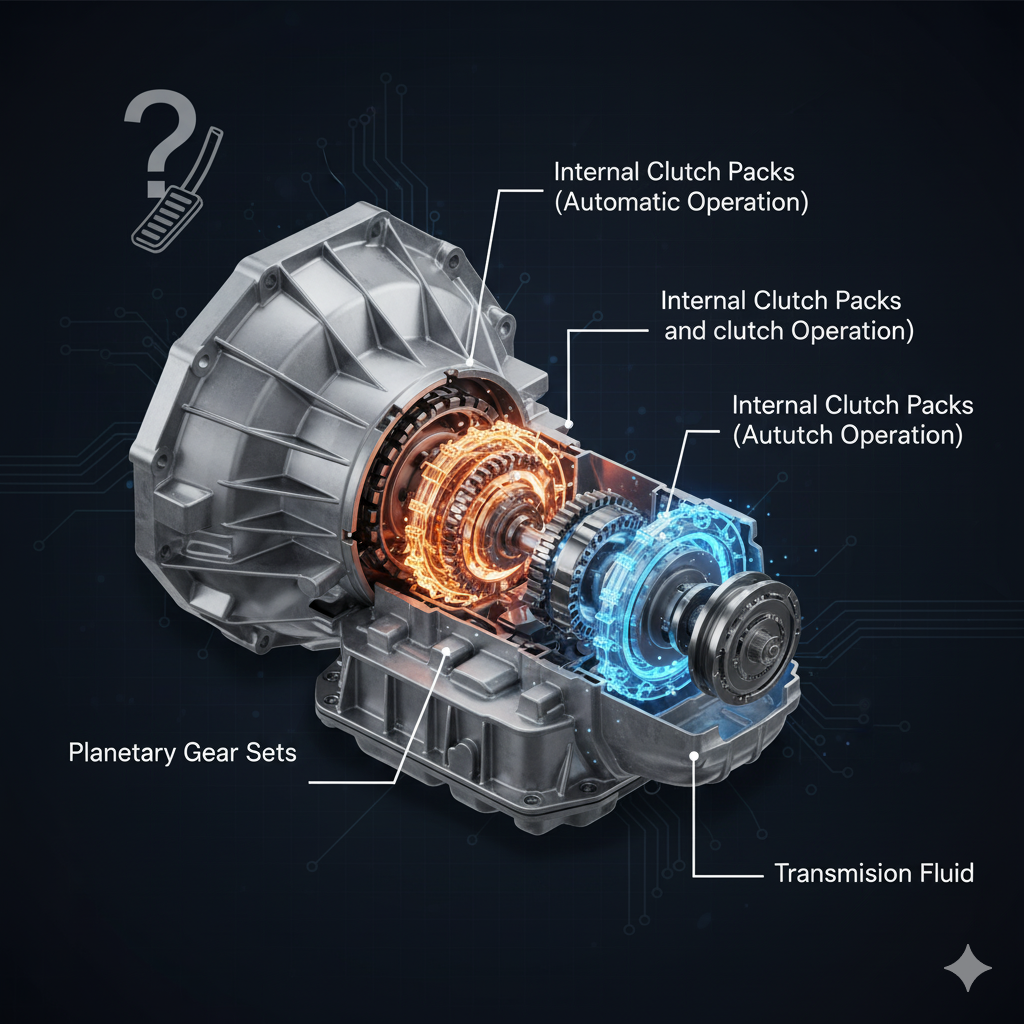
Clutch in Automatic : How It Works and Why It Matters
When people hear the word clutch, they usually think of manual cars — that third pedal you press to change gears. But even automatic cars have clutches, just not the kind you control with your foot. The clutch in automatic transmissions plays a crucial role in transferring power smoothly from the engine to the wheels.
Do Automatic Cars Have a Clutch
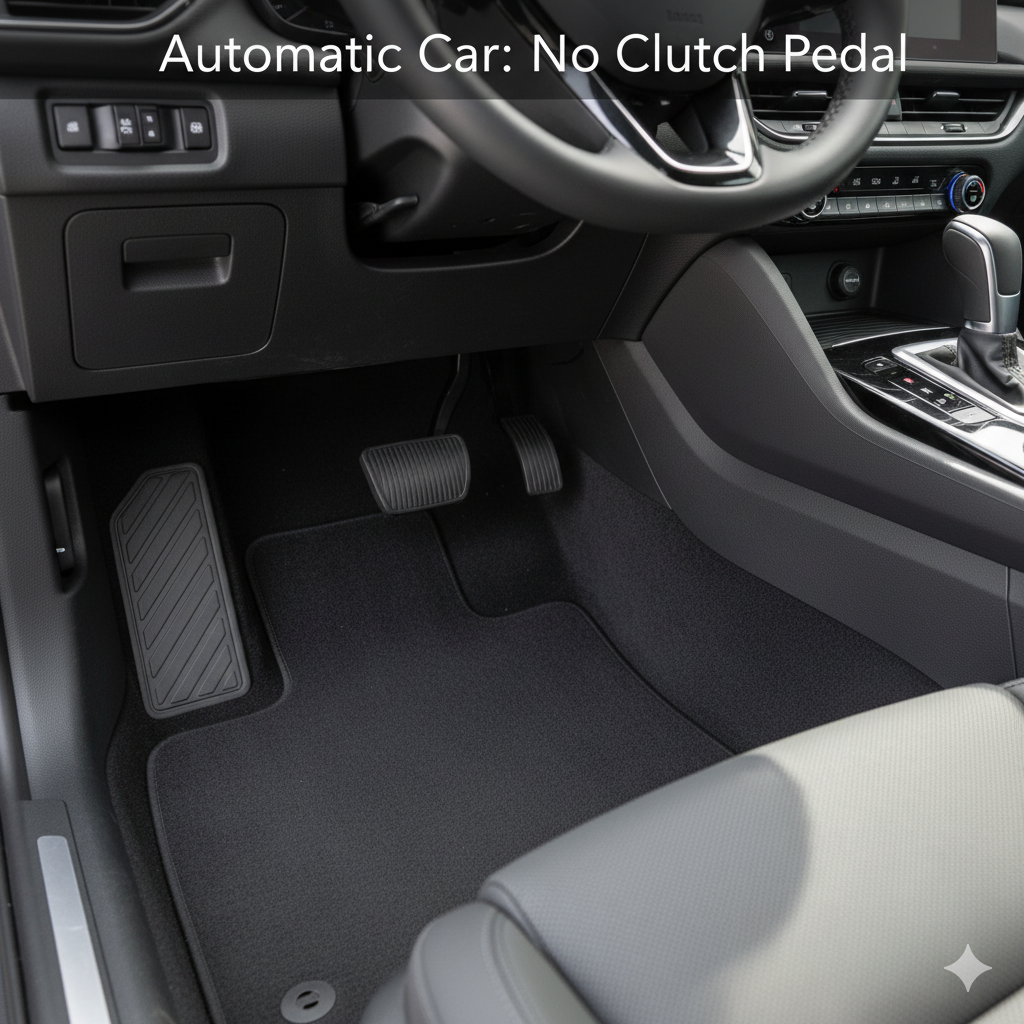
Yes, automatic cars do have clutches, but they work differently than in manual cars. In an automatic transmission, the process of engaging and disengaging gears is handled automatically — no pedal, no manual timing.
There are three main systems used in automatic transmissions that replace the traditional clutch:
- Torque Converter (Traditional Automatics)
- This is a fluid coupling device between the engine and transmission.
- It transmits power using hydraulic pressure instead of a friction plate.
- Inside the torque converter, there’s a lock-up clutch that engages at higher speeds for better efficiency.
- Dual-Clutch Transmission (DCT)
- Uses two computer-controlled clutches — one for odd gears and one for even gears.
- Shifts gears lightning-fast with no interruption in power flow.
- Common in performance cars (like Audi S-Tronic or VW DSG systems).
- Automated Manual Transmission (AMT)
- Mechanically similar to a manual gearbox but with an automated clutch system.
- An actuator and computer handle clutch engagement for you.
So, while there’s no clutch pedal, the automatic clutch system still exists — it’s just controlled by the car’s computer and hydraulics instead of your foot.
How the Clutch in Automatic Transmission Works
In a torque converter system, here’s the simplified process:
- The engine spins a part of the converter called the impeller.
- Fluid inside transmits motion to the turbine, which drives the transmission.
- At high speeds, a lock-up clutch engages to eliminate slippage and improve fuel economy.
In a dual-clutch system, one clutch handles 1st, 3rd, and 5th gears, while the other handles 2nd, 4th, and 6th. When one gear disengages, the other clutch engages instantly — that’s why DCTs shift so fast and smoothly.
Symptoms of Clutch Problems in Automatic Cars
Even though you don’t operate the clutch manually, it can still wear out or malfunction over time. Watch for:
- Jerky or rough gear shifts
- Slipping gears or delayed acceleration
- Burning smell or overheating
- Unusual vibrations when changing gears
- Transmission warning light on the dashboard
These issues can stem from worn clutch packs, low transmission fluid, or a failing torque converter.
Maintenance Tips for Automatic Clutch Systems
- Check Transmission Fluid Regularly: Low or dirty fluid causes poor clutch performance.
- Avoid Aggressive Driving: Hard acceleration or towing heavy loads wears components faster.
- Follow Service Intervals: Replace transmission fluid and filters as recommended.
- Listen for Changes: Unusual noises or delayed shifts are early signs of trouble.
Proper maintenance keeps the automatic clutch system smooth, efficient, and long-lasting.
Manual vs. Automatic Clutch — The Key Differences
| Feature | Manual Clutch | Automatic Clutch |
|---|---|---|
| Control | Driver-operated pedal | Controlled automatically |
| Mechanism | Friction disc | Torque converter or dual clutches |
| Gear Change | Manual | Automatic or computer-assisted |
| Ease of Use | Requires skill | Convenient and smooth |
| Efficiency | More direct | Modern automatics now rival manuals |
Automatic systems have evolved to match (and sometimes exceed) manual clutches in performance and efficiency.
Conclusion: The Hidden Clutch Behind Automatic Comfort
While you may never press a clutch pedal in an automatic car, the clutch in automatic transmissions is constantly at work behind the scenes. Whether it’s through a torque converter, dual-clutch system, or automated manual gearbox, these advanced systems make driving effortless while maintaining smooth power transfer.
Understanding how it works helps you appreciate the technology that makes automatic cars so comfortable — and reminds you to care for it just like any other critical component.
FAQs About Clutch in Automatic Cars
Do automatic cars have a clutch pedal
No, the clutch is controlled automatically by the transmission system.
Can the clutch in an automatic wear out
Yes, components like torque converters or clutch packs can wear over time, especially with poor maintenance.
How long does an automatic clutch last
Typically 100,000–200,000 miles, depending on driving habits and vehicle type.
Is dual-clutch better than regular automatic
Dual-clutch systems offer faster shifts and better performance but can be more complex and expensive to repair.
Can you damage the clutch in an automatic
Yes — harsh driving, towing heavy loads, or neglecting transmission fluid changes can cause clutch failure.